Questions to Settle Before Adding a Home EV Charger
A home charger is mostly a wiring project, so the best questions are about your garage, your driveway and your panel.
September 30, 2026 · 4 min read
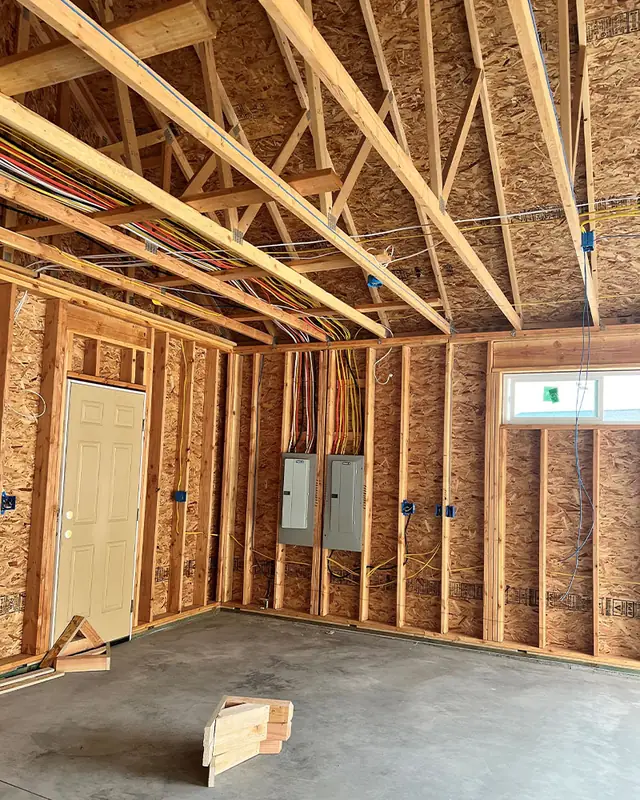
Adding a plug or charger for an electric car is one of the most common requests electricians hear now. It looks like a small job: mount a box, plug in a car. Most of the real work happens out of sight, in the wire and in the panel. Columbia Basin Satellite & Electric lists electric car plugs and chargers among its residential services, along with panel replacements, and the two often come up in the same conversation.
Here are the questions worth answering before you call. None of them requires technical knowledge. They just make the first visit shorter and the plan better.
Where does the car actually park?
Start with the habit, not the wall. Park where you normally park, and notice which side the charge port is on. Some cars charge on the driver's side rear, some on the front, some on the passenger side. If you back in on some days and pull in on others, the port ends up in a different place each time.
That detail decides where the charger should go. A charger placed on the wrong wall means a cable stretched across the garage floor, and a cable on the floor is a cable people trip on and cars drive over.
How far does the cable need to reach?
Charging cables have a limited length, and they're stiff, especially in cold weather. Measure from the likely charger spot to the charge port with the car parked where it normally sits. Add a little slack. A cable pulled tight strains the plug and the car's port.
The other distance is from the charger to your electrical panel. A short run is simple. A long run, such as a panel at the far end of the house from the garage, means more wire and more work to route it. If the parking spot is in a detached building, the wire has to get there too. Tell the electrician where your panel is and where you want the charger, and ask what the route looks like.
Indoor or outdoor?
A garage is the easiest home for a charger. It's out of the weather and usually closer to the panel. If you don't have a garage, or the car lives in the driveway, the charger goes outside, and that means equipment rated for the weather and a mounting spot you can reach in snow and in summer heat. Ask the electrician what kind of equipment suits an outdoor location in the Tri-Cities climate.
Also think about how the spot will look and who will pass it. A charger at the front of the house may be fine, or you may prefer the side yard. Keep it clear of where you shovel snow, store bins or run the lawn mower.
Can your panel handle it?
This is the question that only an electrician can answer, and it's the one that most affects the project. A home charger usually runs on its own dedicated circuit. Your panel has to have room for that circuit, and the whole house has to have enough capacity to carry it on top of everything else you run.
When an electrician checks, they look at things like these:
- How much capacity the panel and service have, and how much is already in use
- Whether there's an open space in the panel for a new circuit
- What large loads you already run, such as an electric range, a dryer, a heat pump, a hot tub or a shop
- The age and condition of the panel itself
Sometimes the panel handles it with a new circuit. Sometimes a panel replacement or upgrade is the right answer. Your electrician will tell you which applies to your house, and whether a permit or inspection is part of the job. Don't assume either way.
Is a second car coming?
Ask this before the wire is run. If you might own two electric vehicles in a few years, or if a teenage driver will eventually need to charge a car too, planning now costs far less effort than starting over. Tell the electrician what you expect. They can suggest how to size the work and where to leave room in the panel, and whether it makes sense to place the first charger so a second one can sit beside it.
It also helps to think about who else parks in the garage. A charger shouldn't force a daily shuffle of cars, and a second spot may be better placed in the driveway or on the other side of the garage.
What to bring to the conversation
A few facts speed everything up. Have the make and model of your car, a picture of your panel with the door open, and a clear idea of where you want the charger. If you've already picked out a charger, say so. If you haven't, ask the electrician whether to choose before the visit or after it.
Columbia Basin Satellite & Electric handles home electrical work across Kennewick, Richland, Pasco and the surrounding area. Call (509) 783-7283 or email solutions@callcbse.com to talk through a charger or a panel question. The company says it strives to respond to every request for an estimate within 1 business day.
Columbia Basin Satellite & Electric, (509) 783-7283
Call (509) 783-7283More articles
How a Residential Electrical Service Call Works
Here is what to expect when an electrician comes to your house, and how to get ready so the visit goes smoothly.
Planning a TV Wall or Home Theater Before the Crew Arrives
The decisions worth making before anyone opens a wall for your TV, speakers or cameras.